Top 10 Guard Dog Breeds for Home Protection (and Which One Fits Your Lifestyle)
- Choosing the right guard dog depends on your lifestyle, home size, and experience as a dog owner.
- German Shepherds, Rottweilers, and Dobermans are top choices for all-around home protection and versatility.
- Bullmastiffs, Boxers, and Great Pyrenees are ideal for families who want gentle but dependable guardians.
- High-energy breeds like Belgian Malinois and Rhodesian Ridgebacks require active owners and consistent training.
- Proper training and early socialization are essential to ensure any guard dog remains safe, obedient, and well-balanced.
- Matching a breed’s exercise, temperament, and climate suitability ensures a harmonious long-term fit for your household.
Home protection has become a top priority for today’s homeowners, and choosing the right guard dog breed can make a meaningful difference. While alarm systems and security cameras are essential, a well-trained guard dog offers something technology cannot replicate: intuition, loyalty, and instinctive awareness. But not all protective breeds are the same. Each dog has its own temperament, size, exercise needs, and compatibility with different families.
This guide breaks down the top 10 guard dog breeds and helps you understand which ones match your lifestyle and home environment. Whether you live in a house with a large yard or a modest urban home, you will find a breed suited to your needs.
1. German Shepherd: The Smart and Versatile Protector
German Shepherds are one of the most trusted protection dogs in the world. Known for their intelligence and loyalty, they adapt to many home environments and respond well to structured training. Homeowners choose them because they are alert and confident without being unnecessarily aggressive. Their natural balance of gentleness with family and firmness with strangers makes them ideal for first-time owners seeking a reliable guard dog.
Key Traits:
- Highly trainable and responsive to commands
- Excellent family companions
- Strong protective instincts
- Ideal for active households
Best For:
Homes with children, large yards, and owners willing to invest time in training.
2. Rottweiler: The Calm, Confident Guardian
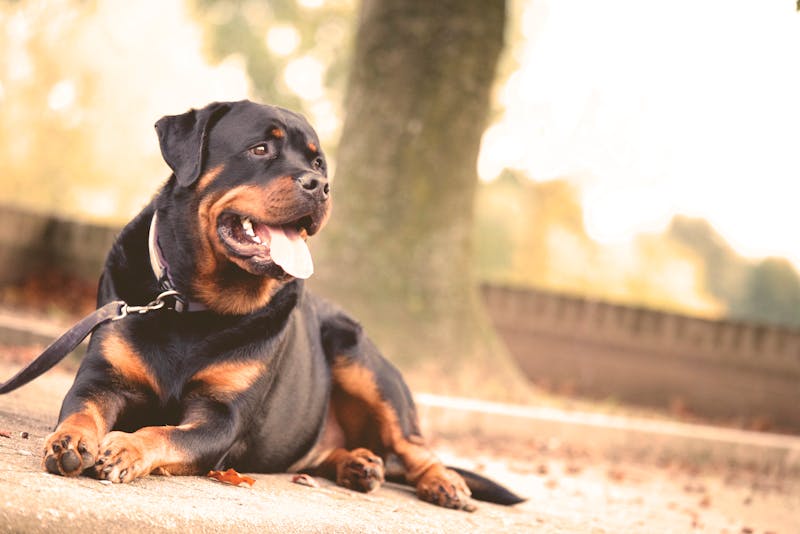
Rottweilers have a long history of guarding property and livestock. Despite their intimidating appearance, they are calm, affectionate, and stable when raised in a positive environment. Many homeowners appreciate their innate ability to read situations and their loyalty to their family unit. They are powerful dogs, but their even temperament makes them dependable protectors.
Key Traits:
- Strong and courageous
- Natural guarding instincts
- Extremely loyal
- Confident and calm
Best For:
Experienced dog owners, homes with fenced yards, and families comfortable with large-breed maintenance.
3. Doberman Pinscher: Fast, Alert, and Highly Loyal
Doberman Pinschers are known for their intelligence and athleticism. Their lean, muscular build gives them speed and agility unmatched by most guard dog breeds. Homeowners choose them because they are fearless yet emotionally attached to their families. A well-trained Doberman will alert you to threats quickly and remain vigilant without becoming overly territorial.
Key Traits:
- Lightning-fast reaction time
- Obedient and loyal
- Excellent deterrent appearance
- Strong protective drive
Best For:
Active households and owners who can provide daily exercise and consistent training.
4. Belgian Malinois: The High-Energy Home Defender
The Belgian Malinois is one of the most widely used dogs in law enforcement and military operations. Their intelligence and energy level make them exceptional working dogs. For homeowners, this means you get a highly focused protector—if you can meet their exercise and mental stimulation needs. They form deep bonds with owners and are quick to detect unusual activity.
Key Traits:
- Extremely intelligent
- Strong work ethic
- Highly trainable
- Excellent stamina
Best For:
Very active individuals, spacious homes, and families committed to daily exercise and training.
5. Bullmastiff: The Gentle Giant With a Protective Heart
Bullmastiffs are large, muscular dogs known for their quiet yet imposing guarding style. They are not overly vocal, preferring to block or pin intruders rather than bark excessively. Despite their intimidating size, they are affectionate and gentle with family members. Their calm nature makes them ideal for homes where excessive noise is not preferred.
Key Traits:
- Gentle yet powerful
- Minimal barking
- Low-energy indoors
- Strong protective drive
Best For:
Families with children, homeowners wanting a quiet protector, and those who prefer a lower-maintenance dog.
6. Boxer: The Energetic and Loyal Family Guardian
Boxers are affectionate and playful, but they also have a strong protective side. They are naturally suspicious of strangers yet incredibly loving toward family members. Homeowners appreciate their balanced temperament and ability to transition from playful companion to alert watchdog when necessary. Their boundless energy also makes them great for active families.
Key Traits:
- Loyal and affectionate
- Alert and vigilant
- Great with children
- High energy
Best For:
Families with kids, active owners, and homes with enough space for play.
7. Akita: The Courageous and Independent Protector
Akitas were originally bred in Japan for guarding royalty and protecting homes. They possess a dignified and confident temperament, paired with strong loyalty to their families. Akitas are known for their quiet nature; they bark only when necessary, making them excellent for homeowners who want a discreet but powerful protector.
Key Traits:
- Independent and bold
- Naturally protective
- Very loyal to family
- Minimal barking
Best For:
Experienced dog owners, colder climates, and homes that need a calm but confident guard dog.
8. Great Pyrenees: The Steady and Reliable Home Sentinel
The Great Pyrenees is known for its calm presence and strong protective instincts. These dogs remain alert and attentive even during the night. Homeowners appreciate their gentle nature with family members, making them suitable for households with children. Their size and deep bark serve as strong deterrents to strangers.
Key Traits:
- Gentle yet protective
- Excellent nighttime vigilance
- Large and imposing
- Calm indoors
Best For:
Homes with spacious yards, families who prefer calm dogs, and areas with cooler climates.
9. Rhodesian Ridgeback: The Athletic and Disciplined Guardian
Rhodesian Ridgebacks were originally bred for hunting and protection. Their athletic build and natural bravery make them excellent guard dogs. They are not overly aggressive, but they are fiercely loyal and protective when a threat appears. Homeowners love their low-maintenance grooming needs and even-tempered behavior indoors.
Key Traits:
- Muscular and athletic
- Quiet yet alert
- Independent thinker
- Low-maintenance coat
Best For:
Active families, warm climates, and owners who want a protective but low-grooming breed.
10. Cane Corso: The Powerful Protector for Experienced Owners
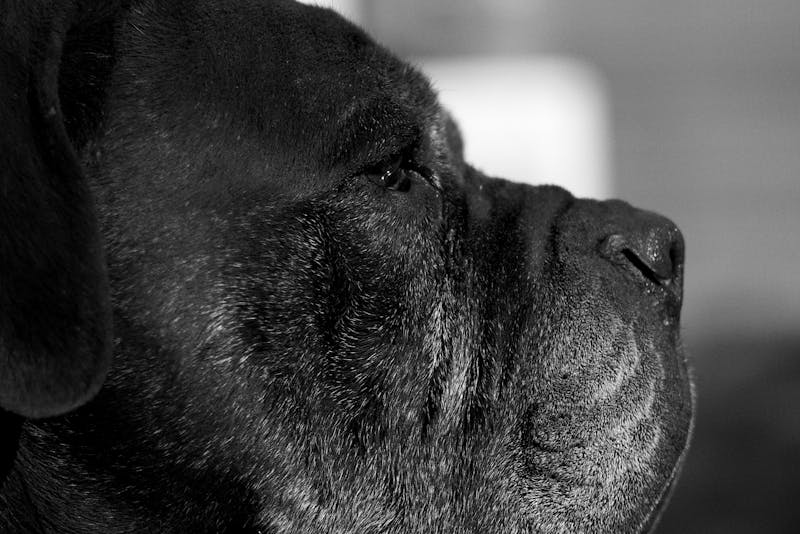
Cane Corsos are one of the most powerful guard dog breeds. Their physical presence alone is enough to deter trouble, but their loyalty and intelligence make them even more effective protectors. They respond well to experienced owners who can provide structure. Many homeowners appreciate their balanced temperament: calm at home, alert outdoors.
Key Traits:
- Strong guarding instincts
- Intelligent and responsive
- Loyal to family
- Minimal shedding
Best For:
Experienced dog owners, large homes, and individuals who can commit to training.
Which Guard Dog Breed Fits Your Lifestyle?
Choosing the right guard dog goes beyond looks or popularity. Each breed has its own strengths and specific needs. Matching these needs to your lifestyle ensures a happy and safe home. Before choosing a breed, consider your daily schedule, the size of your home, the ages of family members, and your experience with dogs. This section helps you evaluate what kind of dog best fits your environment.
1. Best for Families With Children
- German Shepherd
- Boxer
- Bullmastiff
- Great Pyrenees
2. Best for First-Time Dog Owners
- Boxer
- Bullmastiff
- Great Pyrenees
3. Best for Active Homeowners
- Belgian Malinois
- Doberman Pinscher
- Rhodesian Ridgeback
4. Best for Small or Urban Homes
- Boxer
- Certain German Shepherd lines
- Akita (only with good training)
5. Best for Warm Climates
- Rhodesian Ridgeback
- Boxer
- German Shepherd
6. Best for Cold Climates
- Akita
- Great Pyrenees
- Rottweiler
Understanding Guard Dog Temperaments and Training Needs
Choosing a guard dog means committing to training and socialization. Each breed listed above has the potential to be a reliable protector, but success depends largely on consistent training and clear owner leadership. Even the gentlest breeds can become overly wary if not properly socialized. Similarly, high-energy breeds require mental challenges to stay balanced.
Why Training Matters
- Ensures the dog knows when to protect and when to relax
- Helps prevent aggressive or fearful behaviors
- Builds a trusting bond between dog and owner
- Enhances obedience and impulse control
Essential Training Tips
- Begin socialization early
- Use positive reinforcement
- Give consistent cues and expectations
- Provide daily exercise, especially for high-energy breeds
Living Safely and Comfortably With Guard Dog Breeds
A guard dog should provide protection without compromising safety at home. Responsible ownership ensures your dog understands boundaries and respects family members. Guard dog breeds thrive when given structure, routine, and confidence-building exercises. They also need mental stimulation beyond physical activity.
Home Setup Recommendations
- Secure fenced yard
- Consistent daily routines
- Access to basic obedience training
- Regular exercise and mental stimulation
Avoiding Common Issues
- Prevent boredom through play and tasks
- Avoid leaving dogs unsupervised with strangers
- Train early to reduce territorial behavior
- Monitor interactions with children
Conclusion
Guard dog breeds offer homeowners an extra layer of protection and companionship. From the loyal German Shepherd to the steadfast Bullmastiff, each breed brings unique strengths that suit different homes and lifestyles. By understanding your needs, activity level, and living conditions, you can choose a protector that not only guards your home but also becomes a beloved member of your family. The key is to match a breed’s temperament and exercise requirements with your everyday life, ensuring a harmonious and secure home.