What is a Good Guard Dog? A Homeowner’s Guide to Choosing the Right Protector
- A good guard dog must balance loyalty, confidence, and trainability—not just size or strength.
- The best guard dog for your home depends on your space, lifestyle, and family setup.
- Key traits of effective guard dogs include alertness, territorial instincts, obedience, and a calm temperament.
- Different breeds suit different home types, from large-yard homes to condos and family households.
- Consistent training, socialization, and daily exercise are essential to maintain a safe and well-behaved guard dog.
Choosing a good guard dog is one of the most effective ways to enhance home security while also gaining a loyal companion. But with so many breeds claiming to be protective, it can be difficult for homeowners to determine which one truly fits their needs, home size, and lifestyle.
This guide breaks down the traits of effective guard dogs, the best options for different types of households, and what you should consider before bringing one home.
What Makes a Dog a Good Guard Dog?
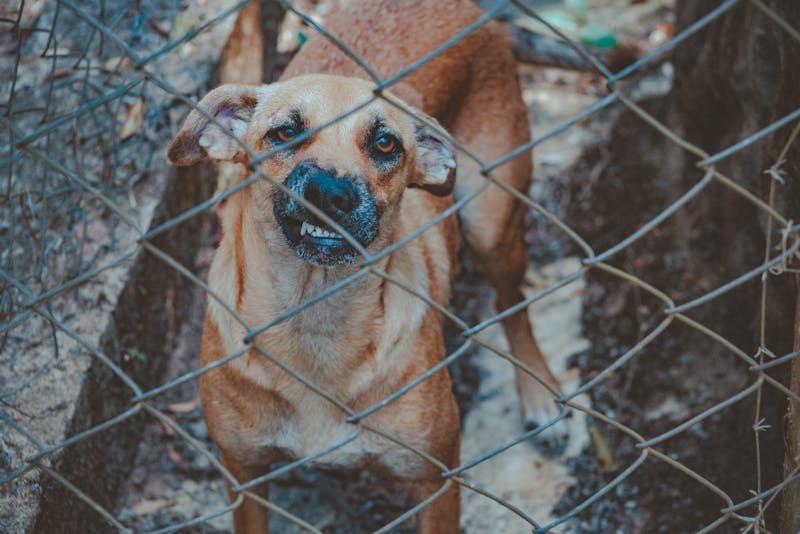
A good guard dog is more than just big or intimidating; the best protectors share a combination of instinct, temperament, and training potential. Homeowners should look for breeds that are naturally observant, loyal, and confident, yet stable enough to avoid unnecessary aggression. Many families also value dogs that can switch easily between being affectionate companions and reliable protectors. Understanding these traits helps narrow down which dogs can truly thrive in a home environment.
Guard dogs should not rely solely on instincts. They must also be receptive to training so they can follow commands during high-stress situations. Additionally, the ideal guard dog integrates well into a homeowner’s lifestyle. For example, active families may prefer high-energy working breeds, while those in smaller homes might choose compact yet alert watchdog types. By focusing on temperament, lifestyle fit, and trainability, homeowners can better identify the most suitable companion for protection.
What is a Good Guard Dog? Top Traits to Look For
Before you explore specific guard dog breeds, you need to understand the traits that separate effective guard dogs from regular pets. These traits ensure the dog can protect your home without becoming overwhelming or difficult to manage. Homeowners often appreciate dogs that balance alertness with friendliness, especially those with children or guests coming in and out. A good guard dog should also have the stamina to stay active throughout the day, making it easier for them to monitor the home.
These dogs must also be naturally territorial, as this instinct helps them detect unfamiliar movements or sounds. Another key trait is confidence, which prevents them from becoming fearful or overly reactive. A confident dog stands its ground but does not escalate unless needed. Lastly, the ability to bond closely with the family is essential. Dogs that form strong attachments often become more invested in protecting their home and humans.
Key Traits of a Good Guard Dog
- Highly alert and observant
- Naturally protective and territorial
- Confident but not aggressive
- Trainable and obedient
- Loyal and family-oriented
- Comfortable around children and guests
Best Guard Dog Options for Different Types of Homes
Every home is different, so the ideal guard dog should match the family’s routine, space, and activity level. Large-breed guards like German Shepherds and Rottweilers excel in spacious homes where they can move freely and maintain regular exercise. Meanwhile, breeds like Boxers and American Bulldogs offer strong protective instincts in more compact homes. Choosing the right dog depends not only on the physical environment but also on how much time the household can commit to training and socialization.
For homes in suburban or rural areas, homeowners often prefer dogs with high endurance and patrol-like instincts. These dogs enjoy having a yard to explore and naturally monitor their surroundings. In contrast, homeowners in urban settings may need a breed that is less reactive to noise and can adapt to apartment living. Understanding these distinctions helps ensure both the dog and the owner enjoy a safe and comfortable environment.
Good Guard Dog Choices by Home Type
For Large Homes or Yards
- German Shepherd
- Rottweiler
- Belgian Malinois
For Small Homes or Condos
- Doberman Pinscher
- Boxer
- American Bulldog
For Families With Children
- Labrador Retriever (excellent watchdog, family-friendly)
- Boxer
- German Shepherd
How to Choose the Right Guard Dog for Your Lifestyle
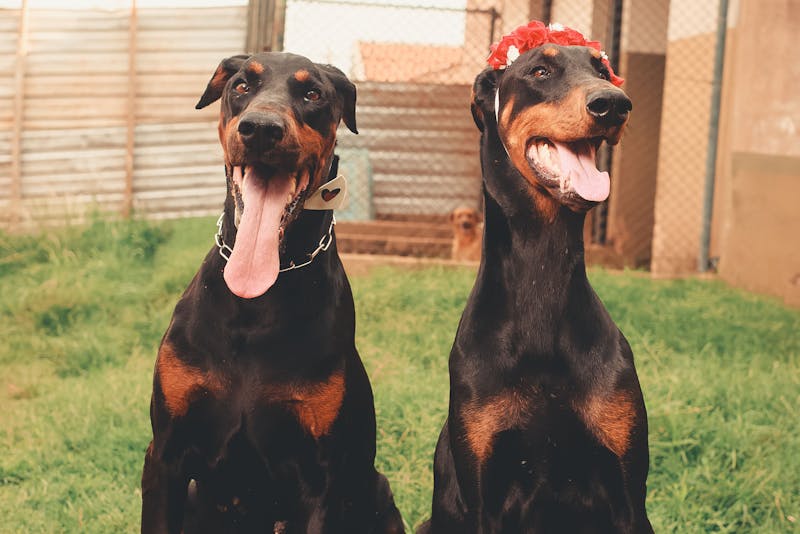
Selecting the right guard dog requires more than browsing breed lists. Homeowners must evaluate how much time they can dedicate to training, daily exercise, and socialization. Guard dogs often require structured routines, mental enrichment, and ongoing reinforcement to remain well-mannered. Families who enjoy outdoor activities may find high-energy working breeds ideal. Meanwhile, households with a calmer lifestyle may opt for more relaxed but observant dogs.
Another consideration is experience level. First-time dog owners may struggle with demanding breeds like the Belgian Malinois, while more manageable protectors such as Boxers or Labrador mixes are easier to train. It’s also important to assess grooming needs, feeding costs, and veterinary care. Matching your lifestyle with the dog’s energy level and temperament ensures a safer and more harmonious home environment.
Questions to Ask Before Choosing a Guard Dog
- How much time can you dedicate daily to training and exercise?
- Do you live in a small home or a large property?
- Are there children or elderly family members in the household?
- Do you prefer a high-energy or low-energy dog?
- What level of grooming or maintenance can you manage?
Conclusion
A good guard dog offers both security and companionship, but the right choice depends heavily on your home environment and lifestyle. Whether you live in a large property or a compact urban home, there is a breed that can meet your protection needs while remaining a loving family member. By focusing on temperament, trainability, and compatibility with your daily routine, you can confidently choose a dog that not only guards your home but enhances it.