How Do Dogs Show Love to Humans? Understanding Canine Affection

- Dogs show love through body language, including relaxed posture, soft eye contact, and tail wagging.
- Following humans, staying close, and checking in are signs of attachment and trust.
- Physical touch, like leaning, nudging, or sleeping nearby, signals emotional bonding and comfort.
- Dogs express affection through play and shared routines, including greeting rituals and bringing toys.
- Many dogs respond to human emotions, offering quiet companionship when their owners are sad or stressed.
- Breed, personality, and past experiences influence how dogs show love, with some being more subtle or independent.
- Recognizing and responding appropriately to a dog’s signals strengthens trust and the human-canine bond.
Dogs have shared their lives with humans for thousands of years, evolving from wild companions into deeply bonded family members. Yet many dog lovers still ask an important question: How do dogs actually show love? Unlike humans, dogs don’t rely on words or grand gestures. Instead, their affection is expressed through behavior, body language, routines, and subtle emotional cues that are easy to overlook if you don’t know what to watch for.
Understanding how dogs show love to humans strengthens the bond between pet and owner. It also helps dog lovers respond more appropriately to their dog’s emotional needs, build trust, and prevent miscommunication.
This article explores canine affection from a behavioral and emotional perspective, breaking down the science, instincts, and everyday actions that signal love and loyalty.
How Do Dogs Show Love to Humans Through Body Language?
Dogs rely heavily on body language to communicate emotions, including affection. Unlike verbal expression, body cues are instinctive and often unconscious, making them one of the most honest indicators of how a dog feels. Many loving behaviors happen quietly and consistently, rather than through dramatic displays.
Understanding body language helps dog lovers recognize affection even in dogs that are not naturally cuddly. Subtle movements, posture changes, and relaxed expressions all reveal how comfortable and emotionally connected a dog feels around a human. These signals also vary depending on personality, breed traits, and past experiences, especially in rescue dogs.
When a dog feels safe and bonded, its body reflects ease rather than tension. Relaxed muscles, open posture, and calm movements often indicate trust and affection rather than submission or fear.
Relaxed Posture and Soft Eye Contact
A relaxed dog often stands or lies down with loose muscles and natural posture. This physical ease shows emotional comfort, which is a strong indicator of affection. Dogs do not relax around people they fear or distrust.
Soft eye contact, especially slow blinking, is another sign of love. Studies have shown that prolonged, gentle eye contact between dogs and humans increases oxytocin levels in both, reinforcing emotional bonding. This behavior mirrors the way human infants bond with caregivers.
Tail Wagging That Matches Emotional Context
Not all tail wagging means happiness, but affectionate tail wags tend to be loose, wide, and paired with a relaxed body. The tail may move more toward the right side, which research suggests is associated with positive emotions.
A dog that wags its tail when greeting you calmly, without jumping or anxiety, is expressing pleasure and emotional connection rather than excitement alone.
Why Do Dogs Follow Humans Everywhere?
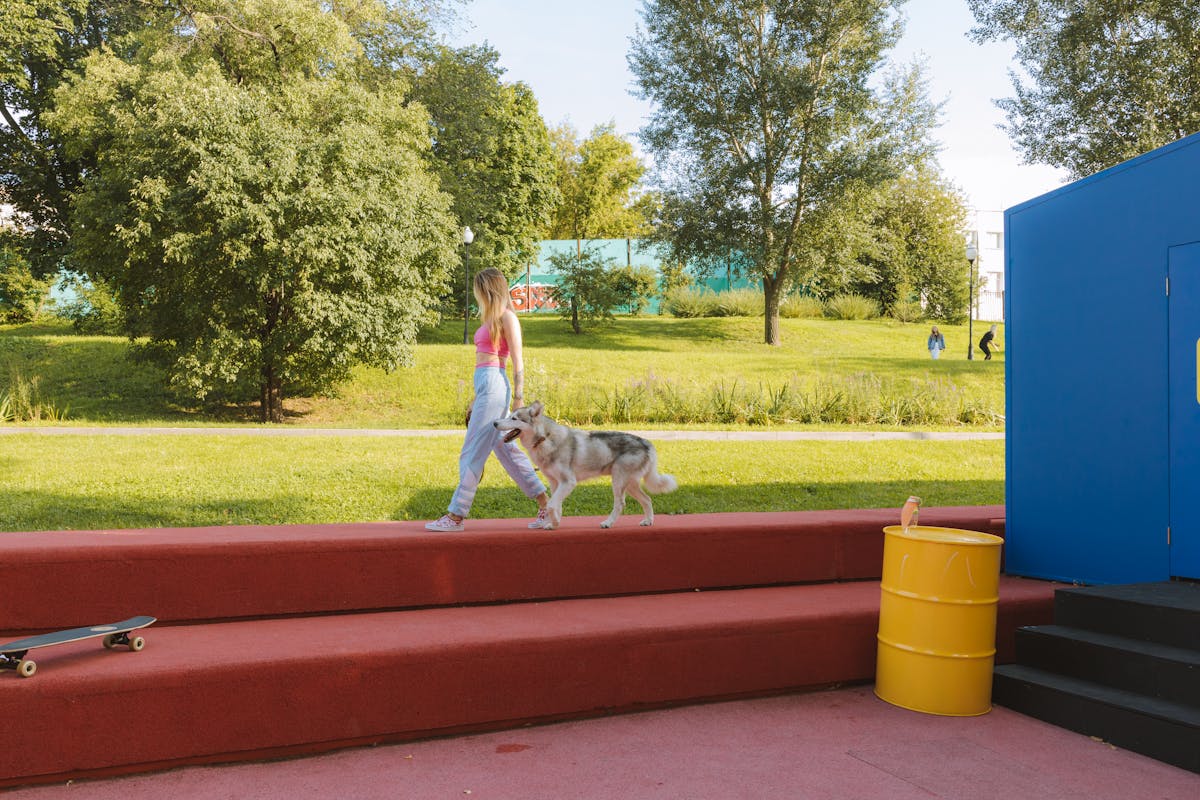
Many dog lovers notice that their dogs act like shadows, following them from room to room. While this behavior is sometimes dismissed as clinginess, it often reflects attachment, trust, and affection rather than dependence.
Dogs are social animals that evolved to live in cooperative groups. Following trusted individuals helps them feel secure and connected. For dogs, proximity equals safety and emotional reassurance. When a dog chooses to stay near you without being commanded, it signals that you are a central figure in its emotional world.
This behavior becomes more pronounced in dogs that have formed strong bonds, especially those that see their owners as caregivers and protectors.
Staying Close Without Demanding Attention
A loving dog does not always demand interaction. Some dogs show affection simply by being present, lying nearby, or resting at your feet. This quiet companionship is a strong indicator of emotional security.
Dogs that choose proximity without constant attention-seeking demonstrate balanced attachment rather than anxiety.
Checking In and Monitoring Movement
Dogs often follow humans to monitor changes in their environment. When affection is involved, this monitoring is calm and non-intrusive. The dog may briefly follow, check in visually, then relax once it feels reassured.
How Do Dogs Show Love Through Physical Touch?
Physical contact plays a significant role in canine affection, though preferences vary widely. Some dogs enjoy close physical contact, while others express love through brief or controlled touch. Understanding a dog’s comfort level is essential for interpreting affection correctly.
Touch-based affection often reflects trust, as dogs instinctively protect their vulnerable areas. When a dog chooses to expose these areas or initiates contact, it signals emotional safety and bonding.
Dogs that were properly socialized early in life may be more comfortable with touch, while rescue dogs may show affection gradually over time.
Leaning, Nudging, and Gentle Contact
Leaning against a human is a common sign of affection. This behavior shows trust and a desire for closeness rather than dominance. Nudging with the nose or head often signals attention-seeking mixed with affection.
These actions are typically gentle and paired with relaxed body language.
Sleeping Near or Touching Humans
Dogs are most vulnerable when asleep. Choosing to sleep near a human, or even touching them, demonstrates deep trust. This behavior stems from pack instincts, where sleeping close increases safety and emotional bonding.
How Do Dogs Show Love Using Routine and Consistency?
Dogs thrive on routine, and affectionate behavior is often embedded in daily habits. Love is not always expressed through excitement but through reliable, consistent actions that show emotional attachment.
When a dog includes you in its daily expectations, it signals that you are an important and trusted figure. These behaviors may seem mundane, but they reflect a stable emotional bond rather than fleeting emotion.
Dogs that show affection through routine tend to be emotionally secure and confident in their relationship with their owners.
Greeting Rituals and Daily Habits
Many dogs develop specific greeting routines, such as sitting calmly, bringing a toy, or wagging quietly when you return home. These rituals are learned expressions of affection and anticipation.
Consistency in greeting behavior shows emotional attachment rather than novelty-based excitement.
Waiting and Checking for You
Dogs that wait near doors, windows, or familiar spots when you are gone are displaying attachment. This behavior reflects emotional connection rather than separation anxiety when it is calm and controlled.
How Do Dogs Show Love Through Play?
Play is one of the most powerful ways dogs express affection and trust. When dogs invite humans to play, they are engaging in social bonding behavior rooted in evolutionary survival strategies.
Play signals comfort, confidence, and mutual enjoyment. Dogs that play willingly with humans view them as safe partners rather than authority figures alone.
The style and intensity of play vary, but affectionate play remains balanced and responsive.
Bringing Toys as a Sign of Trust
When a dog brings you a toy, it is often offering shared enjoyment rather than a demand. This behavior reflects trust and social bonding.
Some dogs also bring toys as comfort objects, associating their favorite items with people they love.
Play Bows and Invitation Signals
A play bow, where a dog lowers its front legs and raises its hindquarters, is a universal sign of friendly intent. When directed at humans, it signals emotional safety and affection.
How Do Dogs Show Love When You’re Sad or Stressed?
Dogs are remarkably sensitive to human emotional states. Research suggests that dogs can detect changes in tone, facial expression, posture, and even scent associated with stress or sadness.
Affectionate dogs often respond to emotional distress by increasing proximity, offering gentle contact, or remaining unusually calm. This behavior reflects emotional attunement rather than learned behavior alone.
Dogs that comfort humans demonstrate a high level of emotional bonding and social intelligence.
Staying Close and Offering Quiet Support
Many dogs choose to sit or lie near distressed humans without demanding attention. This calm presence can be a form of emotional support rooted in pack instincts.
The dog’s goal is not to fix the problem, but to maintain the connection.
Increased Eye Contact and Gentle Behavior
Dogs may increase eye contact or adopt softer body language when they sense emotional distress. These changes reflect empathy-like responses rather than coincidence.
How Do Dogs Show Love Differently Based on Personality and Breed?
Not all dogs express affection in the same way. Breed tendencies, individual temperament, and early life experiences all shape how dogs show love. For example, certain protective dog breeds are naturally more alert and watchful, and may demonstrate affection through guarding behavior rather than cuddling. Understanding these differences helps dog lovers avoid misinterpreting affection or expecting behavior that does not align with a dog’s natural disposition.
Affection does not always look like cuddling or excitement. For some dogs, it appears as calm presence, quiet loyalty, or protective vigilance.
Independent vs. Social Breeds
Some breeds are naturally more independent and may show love subtly. Others are bred for companionship and thrive on constant interaction.
Neither style indicates more or less affection; they simply reflect different emotional expressions.
Past Experiences and Socialization
Dogs with difficult pasts may show affection cautiously. Over time, consistent care and trust-building often lead to deeper emotional expression. Some dogs display signs that they are protective of you, such as standing between you and strangers, alert barking, or staying unusually close when you feel threatened. Recognizing these behaviors as part of a dog’s love and attachment can help owners respond appropriately and strengthen the bond.
How Can Humans Respond to Canine Affection?
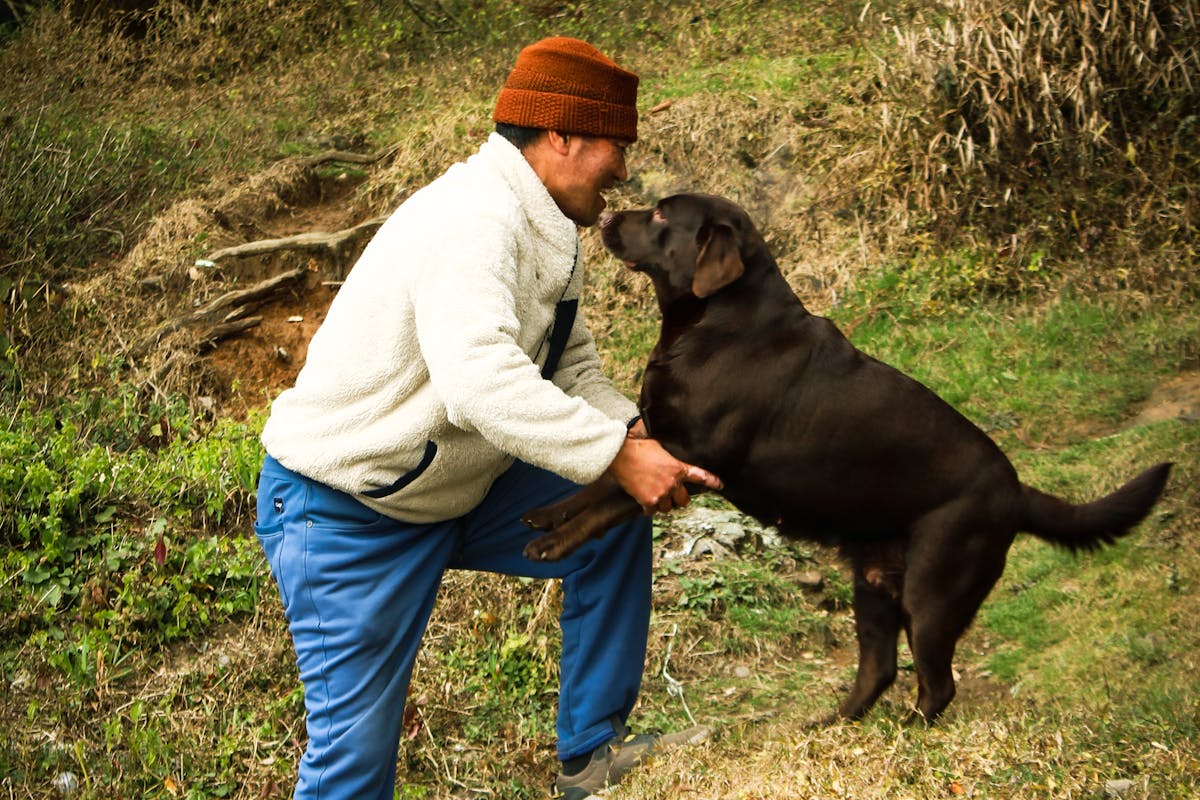
Recognizing affection is only part of the bond. Responding appropriately reinforces trust and emotional connection.
Dogs feel safest when humans respect boundaries, communicate consistently, and respond with calm reassurance rather than overwhelming gestures.
Affection grows strongest in environments built on predictability and mutual respect.
Matching Your Dog’s Comfort Level
Responding to affection in ways your dog enjoys strengthens bonding. Some dogs prefer gentle petting, while others enjoy verbal praise or play.
Observation is key to understanding what feels safe and rewarding.
Building Trust Through Consistency
Consistency in tone, routine, and boundaries reinforces emotional security. Dogs show love most freely when they feel safe and understood.
Conclusion: Understanding Love Through a Dog’s Eyes
Dogs show love in ways that are deeply rooted in instinct, trust, and emotional connection. Their affection is expressed not through words, but through presence, behavior, and quiet loyalty. Understanding these signals allows dog lovers to appreciate the depth of canine emotion and respond with empathy and respect.
Love, for a dog, is about safety, companionship, and shared life. When humans learn to recognize and honor these expressions, the bond becomes stronger, richer, and more meaningful over time.