How to Show Dogs You Love Them in Ways They Truly Understand
- Dogs perceive love through actions, body language, and consistent attention, not just treats.
- Spending quality time daily, including walks, play, and interactive activities, strengthens the bond.
- Using calm body language, gentle touch, and eye contact communicates affection clearly.
- Mental and physical stimulation through training, puzzle toys, and outdoor activities keeps dogs happy and healthy.
- Positive reinforcement and predictable routines help dogs feel secure and appreciated.
- Respecting your dog’s boundaries fosters trust and shows love in a way they truly understand.
Dogs are more than pets—they are loyal companions who feel emotions, form bonds, and respond to affection in their own unique ways. While many dog owners assume giving treats or toys is enough, dogs perceive love differently from humans. Understanding how your dog interprets care, attention, and affection can strengthen your bond and ensure their happiness.
In this guide, we explore practical, science-backed methods on how to show dogs you love them in ways they truly understand, helping you nurture a relationship built on trust, respect, and genuine connection.
Understand How Dogs Communicate Love
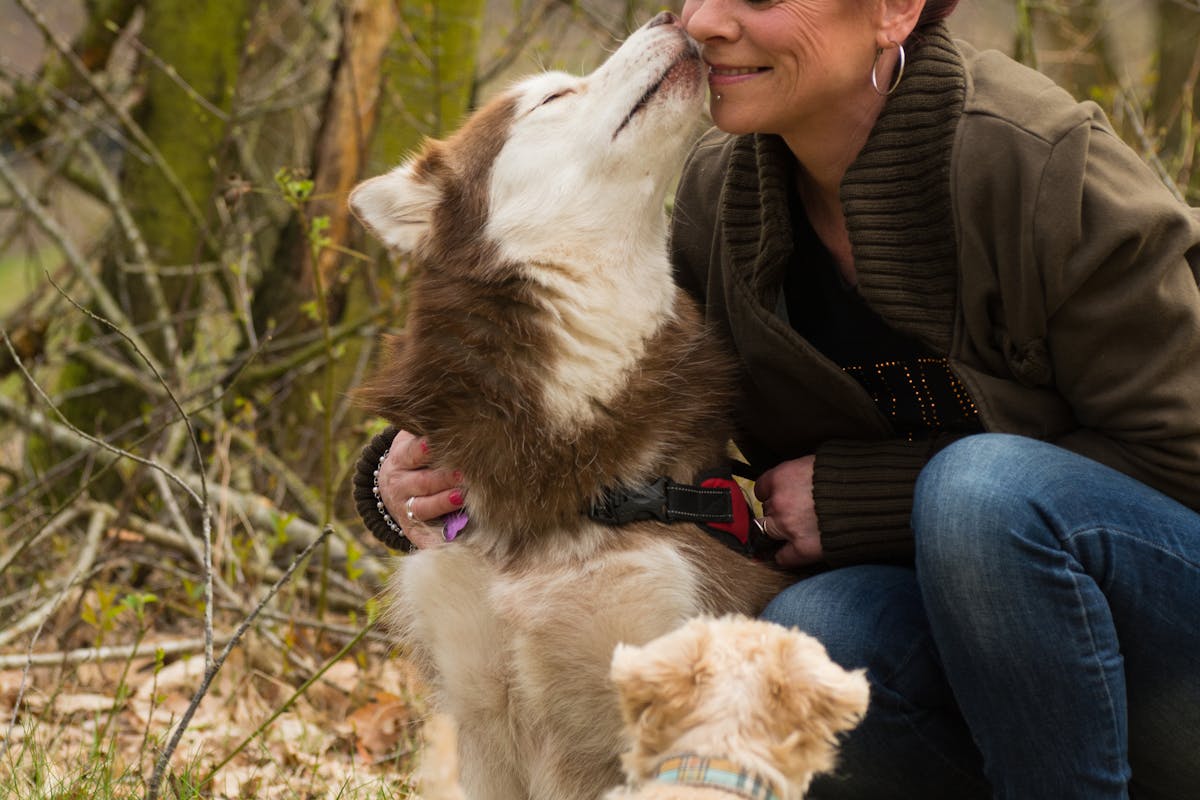
Every dog expresses love differently, but there are common behaviors you can recognize. Dogs rely heavily on body language, tone of voice, and routine to interpret emotions. For example, a wagging tail, relaxed ears, or leaning into you are subtle ways dogs show affection. Understanding these cues is essential because it guides how you respond to their needs.
Observing your dog carefully can reveal whether they prefer physical touch, verbal praise, or playtime as expressions of love. Dogs also remember consistency in your actions, so repeating positive interactions strengthens their trust. Recognizing these signs allows you to reciprocate in ways that resonate with them, deepening your bond.
Signs Dogs Show Love
- Wagging tail and relaxed body posture
- Following you around or staying close
- Gentle nudges or leaning against you
- Excitement when you return home
Knowing how dogs show love can help you tailor your affection and ensure your dog feels secure and valued in your home.
Spend Quality Time Together
Dogs thrive on attention and companionship, so dedicating uninterrupted time each day is crucial. Quality time doesn’t have to be long hours, but should be consistent and focused. Walks, play sessions, or simple cuddles on the couch create meaningful interactions that your dog interprets as love.
Interactive activities, such as fetch, tug-of-war, or puzzle toys, stimulate your dog mentally and physically while strengthening your bond. Dogs are highly social animals, and the time you invest in engaging with them directly impacts their emotional well-being.
Tips for Effective Quality Time
- Schedule short, daily play sessions
- Explore new walking routes for mental stimulation
- Rotate toys to keep playtime exciting
- Use gentle verbal praise during interactions
Communicate With Your Dog Through Body Language
Dogs rely more on body language than words to understand emotions. Using calm gestures, eye contact, and appropriate physical touch helps convey your affection. Avoid overly aggressive or abrupt movements, which may cause anxiety or confusion.
Training yourself to recognize how your dog reacts to touch or positioning strengthens communication. For example, leaning down to their level or offering a gentle belly rub can express care more effectively than words alone. Body language is a language dogs understand intuitively, making it one of the most effective ways to show love.
Practical Ways to Use Body Language
- Maintain soft eye contact
- Sit or kneel when interacting with your dog
- Offer gentle scratches behind the ears or chest rubs
- Mirror calm, relaxed postures to reduce anxiety
Provide Physical and Mental Stimulation
A stimulated dog is a happy dog. Dogs need physical exercise and mental challenges to thrive, and providing these fulfills their natural instincts. Adequate stimulation prevents boredom, reduces destructive behavior, and shows your dog that you understand and respect their needs.
Activities such as daily walks, training exercises, and puzzle feeders engage your dog’s brain while also reinforcing your bond. Enrichment isn’t just for fun; it communicates to your dog that you care about their overall well-being.
Simple Ways to Stimulate Your Dog
- Use puzzle toys or treat-dispensing toys
- Teach new tricks or reinforce commands
- Offer outdoor adventures or play fetch
- Rotate toys and activities to prevent monotony
Offer Consistency and Positive Reinforcement
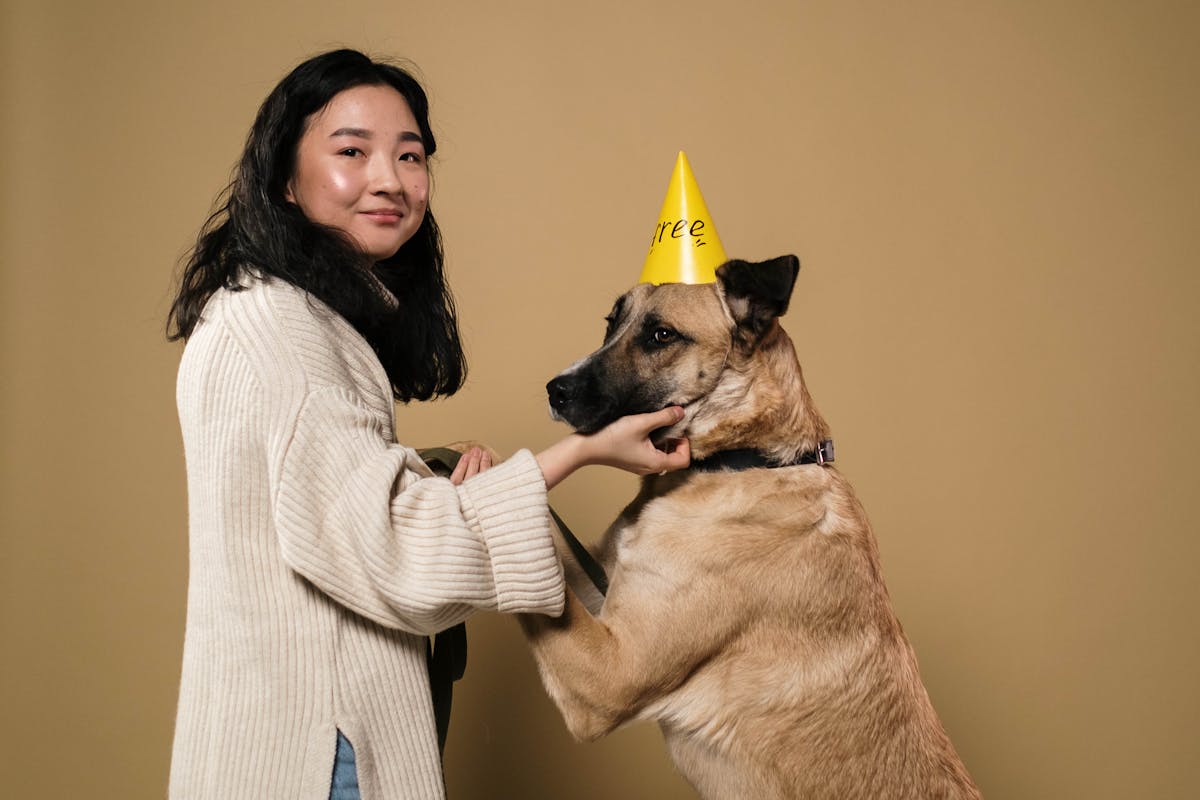
Dogs thrive in environments with predictable routines. Consistency in feeding times, walks, and training sessions helps them feel secure and loved. Positive reinforcement, like verbal praise or treats for good behavior, strengthens this sense of security and shows your dog that you appreciate them.
Avoid harsh punishment, as it can damage trust and hinder emotional connection. Rewarding desired behaviors communicates your love more effectively than reprimanding undesired actions. Dogs flourish in a structured environment where they know what to expect and feel safe.
Positive Reinforcement Tips
- Use a cheerful, encouraging tone
- Offer small treats for obedience and good behavior
- Keep training sessions short and fun
- Celebrate progress, even small achievements
Respect Your Dog’s Boundaries
Just like humans, dogs have personal preferences and limits. Respecting your dog’s space, mood, and comfort level is an important way to show love. Forcing interaction when they are anxious or tired can harm your bond, while patience and understanding communicate deep affection.
Understanding when to give your dog space shows that you are attentive to their emotional needs. Trust grows when dogs know they can rely on you for both affection and respect.
How to Respect Your Dog’s Boundaries
- Watch for signs of stress like growling, lip licking, or avoiding contact
- Allow them to initiate play or petting
- Avoid forcing new experiences too quickly
- Give a quiet space for rest when needed
Conclusion
Showing dogs love requires more than treats or occasional play. By understanding their communication, spending quality time, providing stimulation, using body language, practicing positive reinforcement, and respecting their boundaries, you create a bond that they truly recognize. Your efforts to communicate in ways dogs understand not only improve their happiness but also foster a lifetime of loyalty and companionship.